In this article
Keeping container cranes in motion
When a container ship docks, the clock starts ticking. Every lift, every move, every minute depends on the reliability of the ship-to-shore cranes towering over the quayside.
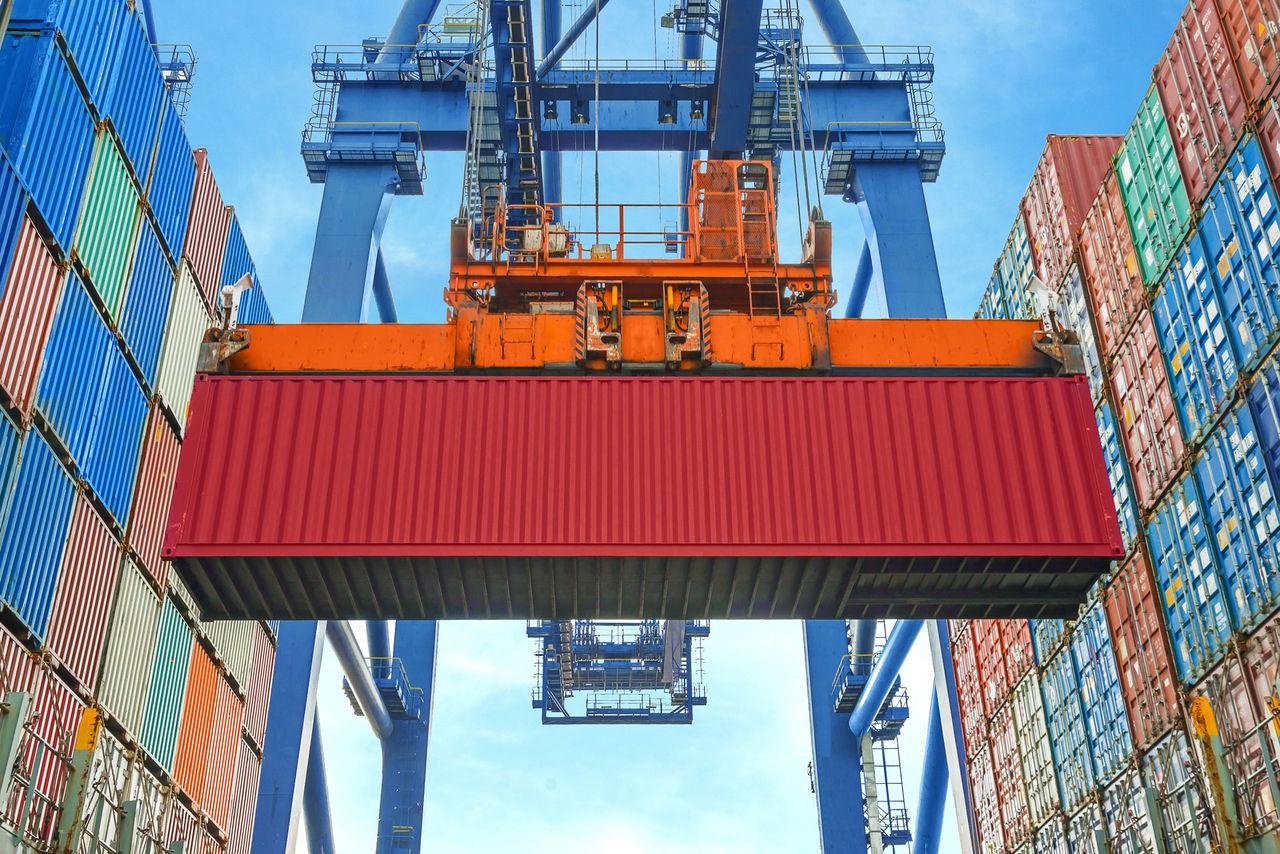
At one major UK terminal, that reliability was suddenly at risk when two of the site’s heavy-duty DC drive motors – the muscle behind the crane hoists – showed early signs of failure. With limited spares and vessels waiting, downtime simply wasn’t an option.
So when the engineering team needed rapid, expert intervention, they picked up the phone to their local ERIKS Workshop. The response was immediate.
A Hidden Problem
The first motor – a 400 kW DC unit responsible for the hoist mechanism – had already been pulled from service. Insulation tests on site revealed a fault to earth, and the team knew that if one motor was in trouble, others could follow. These cranes operate continuously, handling thousands of container movements every week, so even minor faults can snowball into major disruption.
A second motor, initially removed as a precaution, appeared healthy after passing standard insulation and surge testing. However, once in ERIKS’ workshop, more advanced bar-to-bar diagnostics told a different story. The analysis revealed a short circuit between windings – the kind of hidden defect that would never show up in routine tests but would almost certainly have caused a future failure at the worst possible moment.
To make matters even more pressing, the site only operates with three motors of this specification. With two already out of action and the third awaiting planned maintenance, the risk was clear: falling below minimum operating capacity would compromise crane functionality within days, bringing both commercial and operational consequences.
With vessel schedules running to tight windows and penalties looming in the background, the priority was simple: get those motors back into service, and fast.
Rebuilding Reliability, One Winding at a Time
The solution required precision, coordination and speed. ERIKS mobilised teams across Leeds, Swansea, Cardiff and Bristol, allowing several major repair tasks to run in parallel. This multi-site collaboration ensured that no single process became a bottleneck – a crucial factor when turnaround time was critical.
Both motors were completely stripped down and cleaned. Their armatures were rewound to the original bar-wound configuration but upgraded with modern insulation materials to achieve Class F performance, offering greater heat resistance and longer service life. One motor required an entirely new commutator due to severe wear – manufactured in-house at ERIKS’ specialised commutator facility in Bristol, one of the few workshops in the UK with the capability to produce components to such exacting standards.
Alongside the electrical restoration, the motors received full mechanical overhauls. Bearings and seals were replaced, brush gear was refurbished, housings were reworked, and structural steelwork was renewed. Even the force ventilation units – vital for cooling and motor efficiency – were stripped back and rebuilt with new bearings, seals and filters, before being cleaned and repainted.
Testing wasn’t just thorough, it was transparent. Surge tests, bar-to-bar analysis, electrical integrity checks, and detailed video reports were provided to support customer sign-off, ensuring every component met or exceeded OEM standards. With clear evidence of what had failed and how it had been corrected, the customer could return the motors to service with full confidence.
The Race Against the Clock
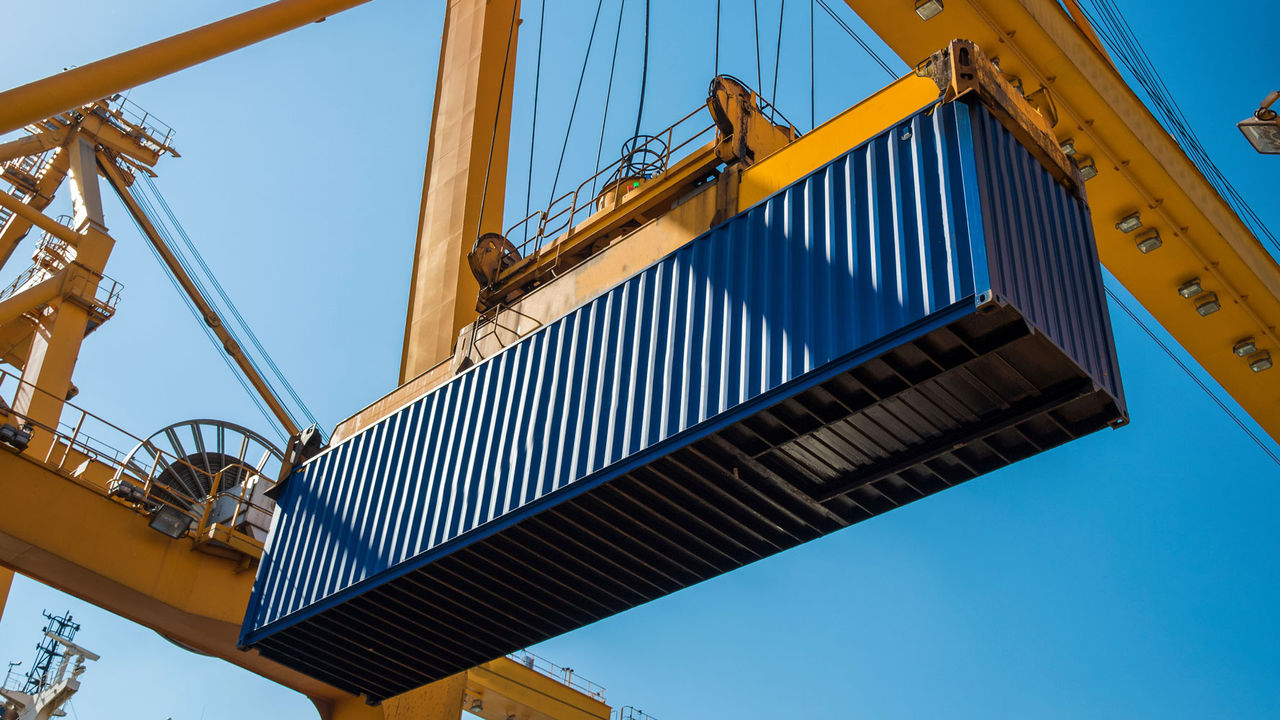
Despite the scale and complexity of the work, ERIKS returned both motors well ahead of expectation. The first unit arrived back on site more than two months ahead of schedule, immediately restoring essential spare capacity and giving the terminal breathing room at a critical moment.
Once reinstalled by the customer’s engineering team, both motors returned to full service without issue. With upgraded materials, renewed mechanical components, and a level of electrical scrutiny far beyond standard testing, the customer now benefits from greater long-term reliability than before the initial failure.
Protecting Every Hour of Uptime
At a busy container terminal, a single crane’s downtime can cascade into missed windows, delayed vessels, and contractual penalties. By identifying faults that were invisible to standard testing and by turning around complex motor rewinds faster than anticipated, ERIKS helped safeguard operations at one of the UK’s most critical logistics hubs.
The result wasn’t just two refurbished motors – it was restored resilience, renewed confidence, and the continuity of a supply chain that cannot afford to stand still.
For more information on Ports Infrastructure, or get in touch with your local ERIKS Service Centre who will be happy to discuss your options.
#ERIKS #LetsMakeIndustryWorkBetter #Infrastructure #Ports #DCMotors
Author

Share the article
Sign-up for Support for your Industry:
A Ports Team member will review your enquiry and respond promptly.