In this article
Hose Management: The hidden risk that could close your production line
When the ERIKS team first arrived at a major pharmaceutical site to conduct a routine hose survey, the client estimated they had around 300-400 hoses to inspect.
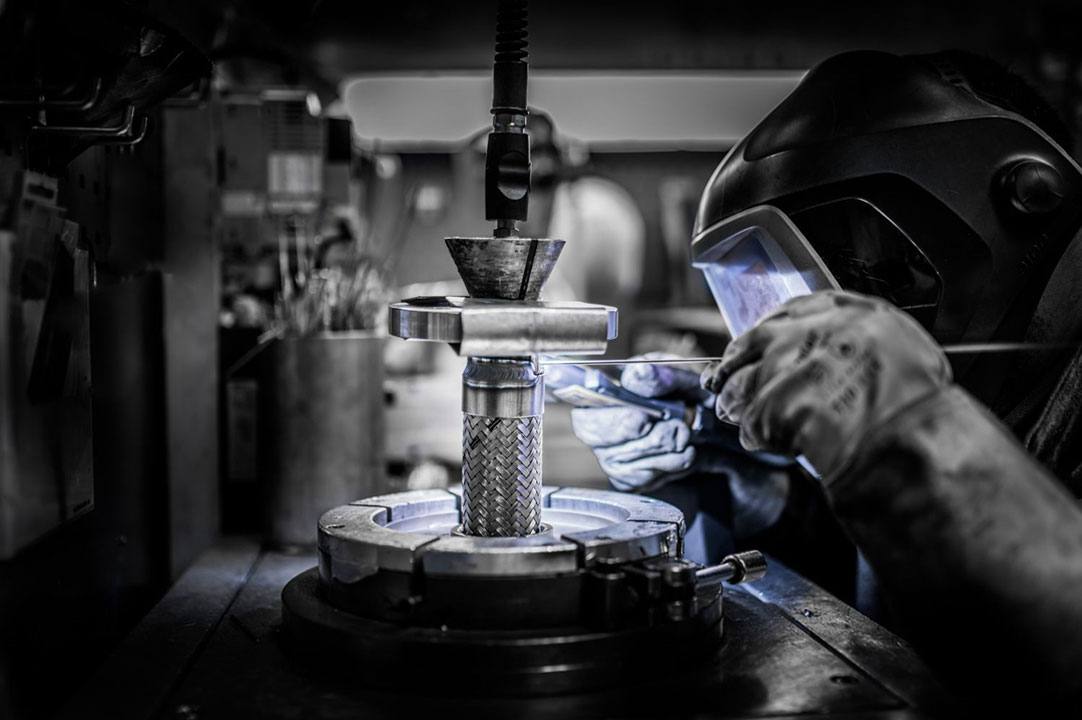
Fast forward to today, and the actual number has grown to over 1500 – and counting. This dramatic discovery highlights a critical blind spot in industrial operations: hose management.
"Manufacturers tend to treat hoses as a commodity – fitting and forgetting them," explains Tyler Dunkley, Application Engineer at ERIKS.
"But like any other component, they wear over time and degrade in ways that aren't always visible to the naked eye. We've found hoses that have been installed for over 10 years, way past their lifespan. Some even dated back to 1998, hidden away and forgotten in areas that receive minimal inspection or maintenance attention."
What condition are your hoses really in?
The statistics are sobering. On average, over 80% of hoses fail their initial survey. Around 30% are rubber or EPDM compounds – perishable materials that expire within 5-7 years from their cure date, not purchase date.
This means new items sitting in storage can fail inspection simply through aging, even without use. More than 20% of failures are due to leakage, creating immediate health, safety, and environmental hazards.
What does hose failure actually cost?
While companies focus investment on major capital equipment – motors, pumps, and processing machinery – they often overlook the hoses that connect and operate these systems. Yet the consequences of hose failure can be catastrophic, affecting not just individual sites but entire supply chains and customer relationships.
In pharmaceutical environments, where cleanliness is paramount, a compromised hose can contaminate entire batches, forcing costly scrapping. These facilities also use aggressive cleaning processes involving caustic chemicals and high-temperature steam, both capable of causing life-changing injuries if released. Production line downtime can cost hundreds of thousands of pounds per hour.
The pressure itself presents a deadly risk. Anything over 7 bar (and most industrial hoses operate at 10 bar plus, with some reaching 1,000 bar) can cause pressure fluid injection injuries. "Even water at that pressure can kill you," Tyler warns. "It feels like a pinprick, but you have hours to save yourself."
What are the legal risks of hose failure?
When the Health and Safety Executive discovers poorly maintained hoses, they have extensive powers. They can impose immediate line closures, quarantine equipment, and in serious cases, arrest responsible individuals. With a 96-97% prosecution rate, consequences include unlimited fines, imprisonment, and mandatory intervention fees of £183 per hour, invoiced every two months for up to a year.
"If there's a reportable incident – a RIDDOR – due to hose failure, the HSE may conduct a full investigation," says Ray Brown, Product Specialist of ERIKS Hose Technology. "The company and individuals involved face prosecution, unlimited fines, potential imprisonment, reputational damage, and environmental penalties. One of our customers' sites in Singapore was fined €2 million for a hose-related incident" Which operates under similar governance to its UK operations.
How do you demonstrate compliance to regulators?
ERIKS' Hose Management System provides end-to-end control. Following the initial survey, which identifies failed hoses and compliance gaps, the team provides daily inspection reports, comprehensive post-survey analysis, and quotations for replacements with recommendations for improvements.
Every replacement hose is pressure tested, certified with full material traceability, and tagged with a unique identifier uploaded to ERIKS' SAM (Smart Asset Management) platform.
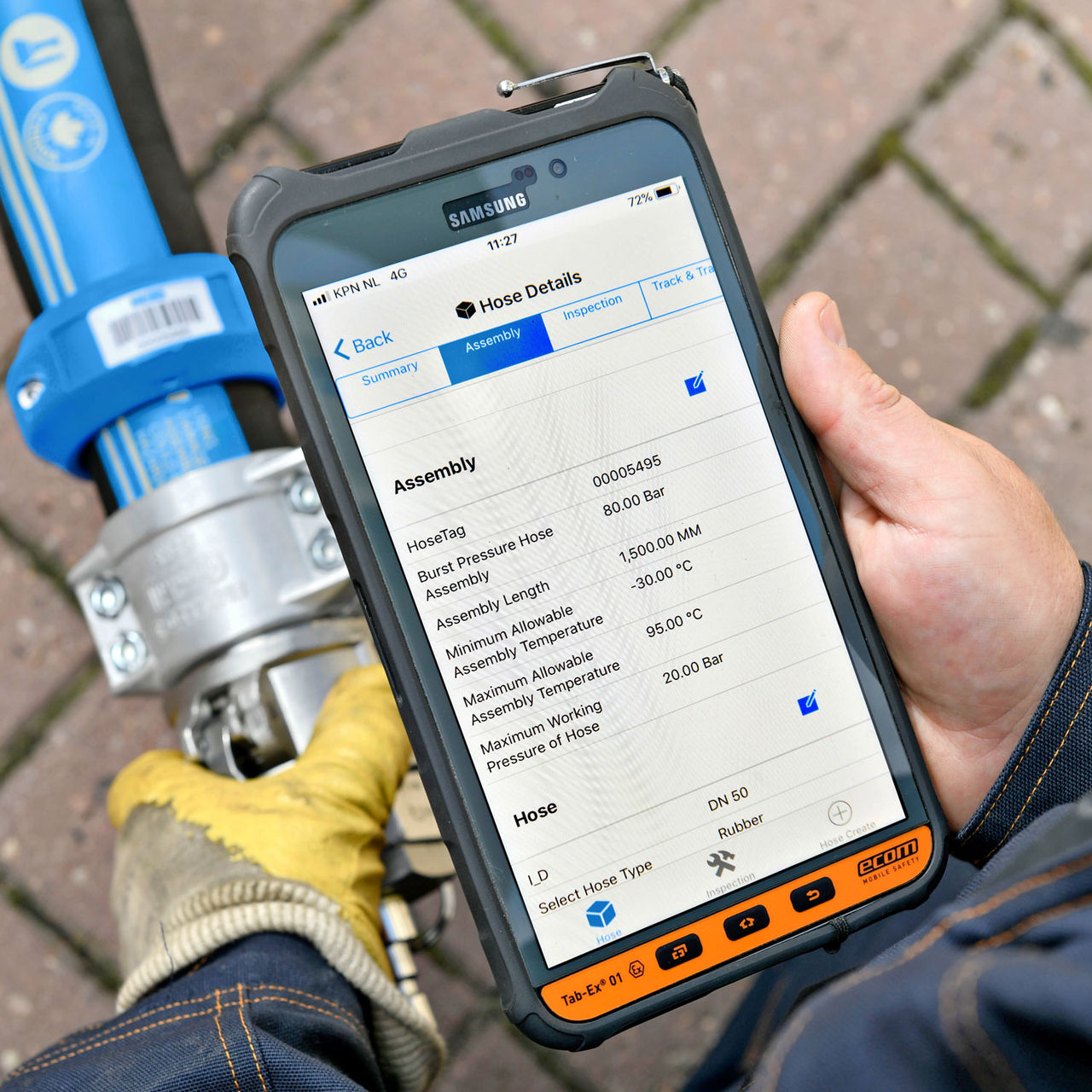
This creates a comprehensive digital record that demonstrates compliance to regulators and provides an auditable trail that stands up to the most rigorous inspections.
"Even if a hose fails between inspections, the HSE will see you've made all reasonable efforts to control risks," explains Ray. "Having that system in place provides peace of mind – you're doing the right thing and derisking your organisation."
How do you change a 'fit and forget' culture?
Tyler has led this particular pharmaceutical client through significant challenges. "It takes time to involve the right people. Once you raise enough issues and they've failed internal audits, they start taking it seriously. The client had multiple audit failures – their own internal reviews, plus supplier audits. That's when urgency kicks in."
The service goes beyond inspection. ERIKS helps clients adapt their processes, standardise specifications, train staff on inspection techniques, and streamline ordering – teams simply quote tag numbers rather than complex specifications or simply scans a barcode or QR code.
"We're helping them embrace a more conscious health and safety culture," Ray concludes. "Nine times out of ten, downtime is caused by overlooked items like hoses. We're changing that mindset."
For more information on Hose solutions or to get in touch with one of our ERIKS Fluid Power Specialists please contact your local ERIKS Service Centre, who will be happy to discuss your options.
#ERIKS #LetsMakeIndustryWorkBetter #HoseManagement #Pharmaceutical
Author