In this article
Custom test rig safeguards critical energy infrastructure
When a major energy operator discovered that the safety valves in its gas turbines were becoming obsolete, it faced a significant technical and operational dilemma.
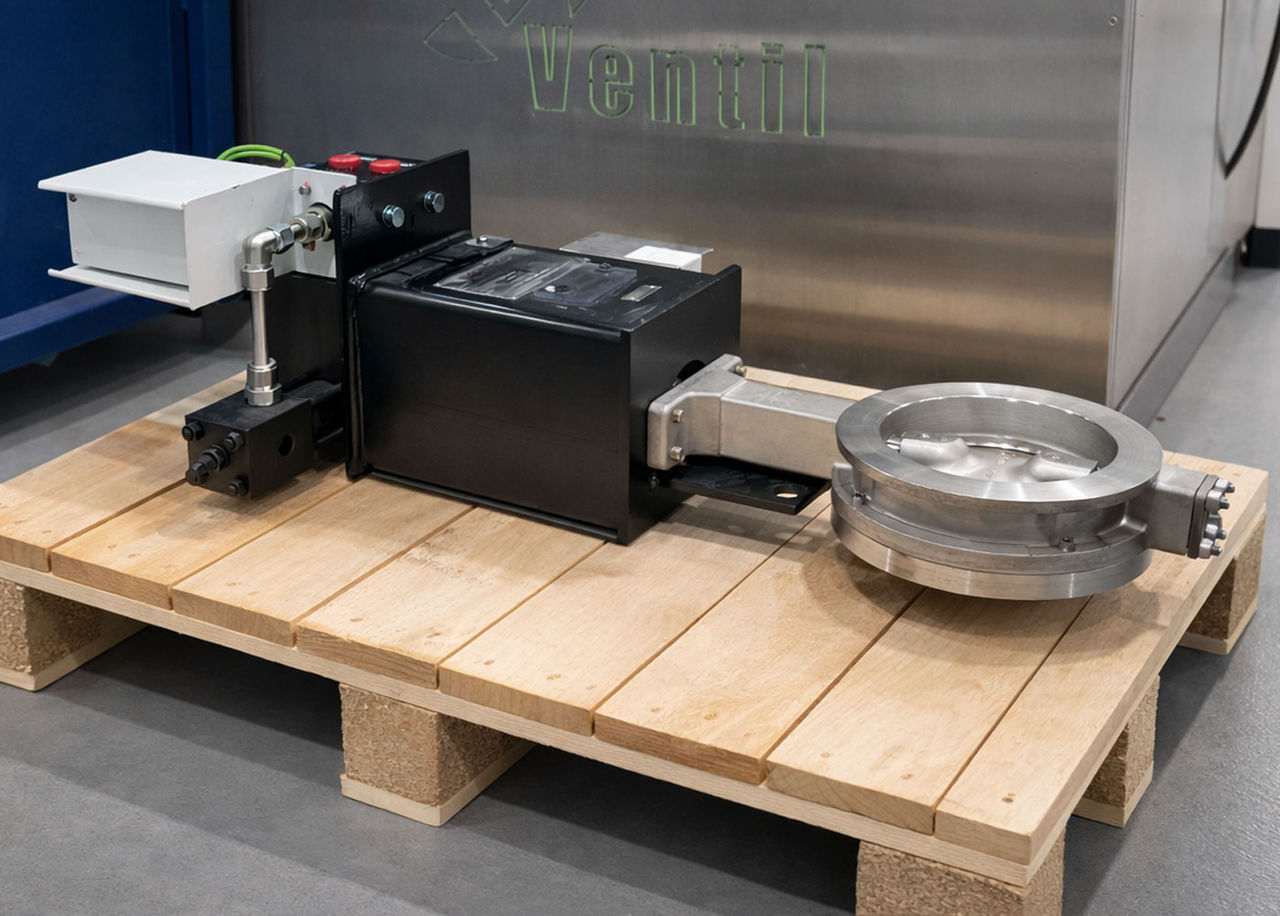
These valves act as the final protective barrier within turbine systems, responding in milliseconds to release pressure and prevent potentially dangerous equipment failures. As the valves aged, refurbishment remained the preferred route, but without any means of testing them under true working conditions, there was no reliable way to confirm that performance and safety standards were still being met.
This challenge led the operator to ERIKS’ Flow Control Technology Centre in Leicester, where a team of engineers began developing a bespoke testing solution that could restore confidence in these critical components.
A Complex Certification Problem
Because each valve is certified as part of the wider turbine system, replacing them with new units would have required extensive and costly recertification. Refurbishment was therefore essential. Yet the absence of a suitable functional test meant operators were dependent on visual checks alone, leaving uncertainty around how valves would behave once reinstated into high-pressure, high-speed turbine environments.
The potential consequences of an underperforming valve were severe. A single failure could lead to catastrophic machine damage, extended downtime, or broader safety risks. It was clear that a specialised test solution was not simply beneficial – it was necessary.
Engineering a Purpose-Built Solution
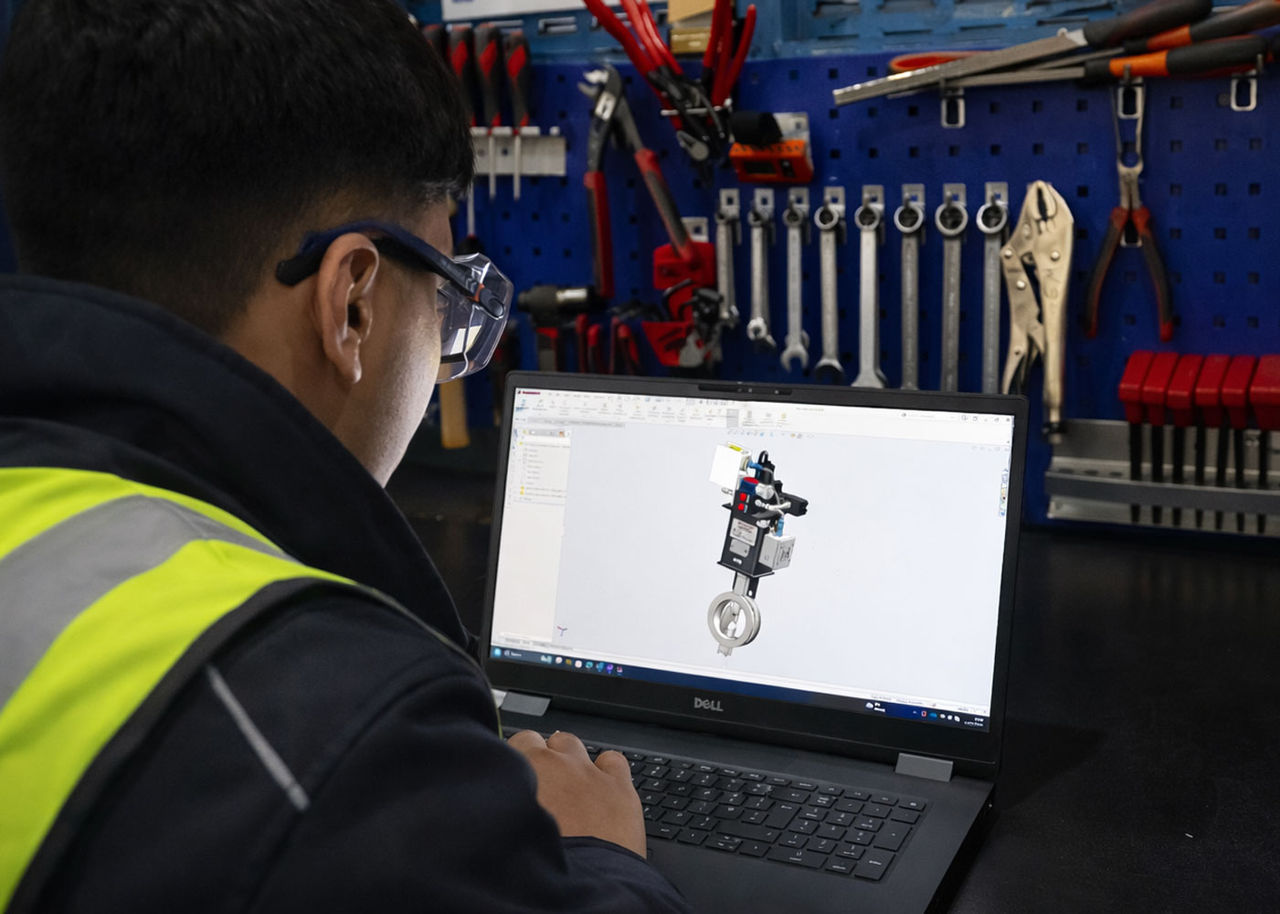
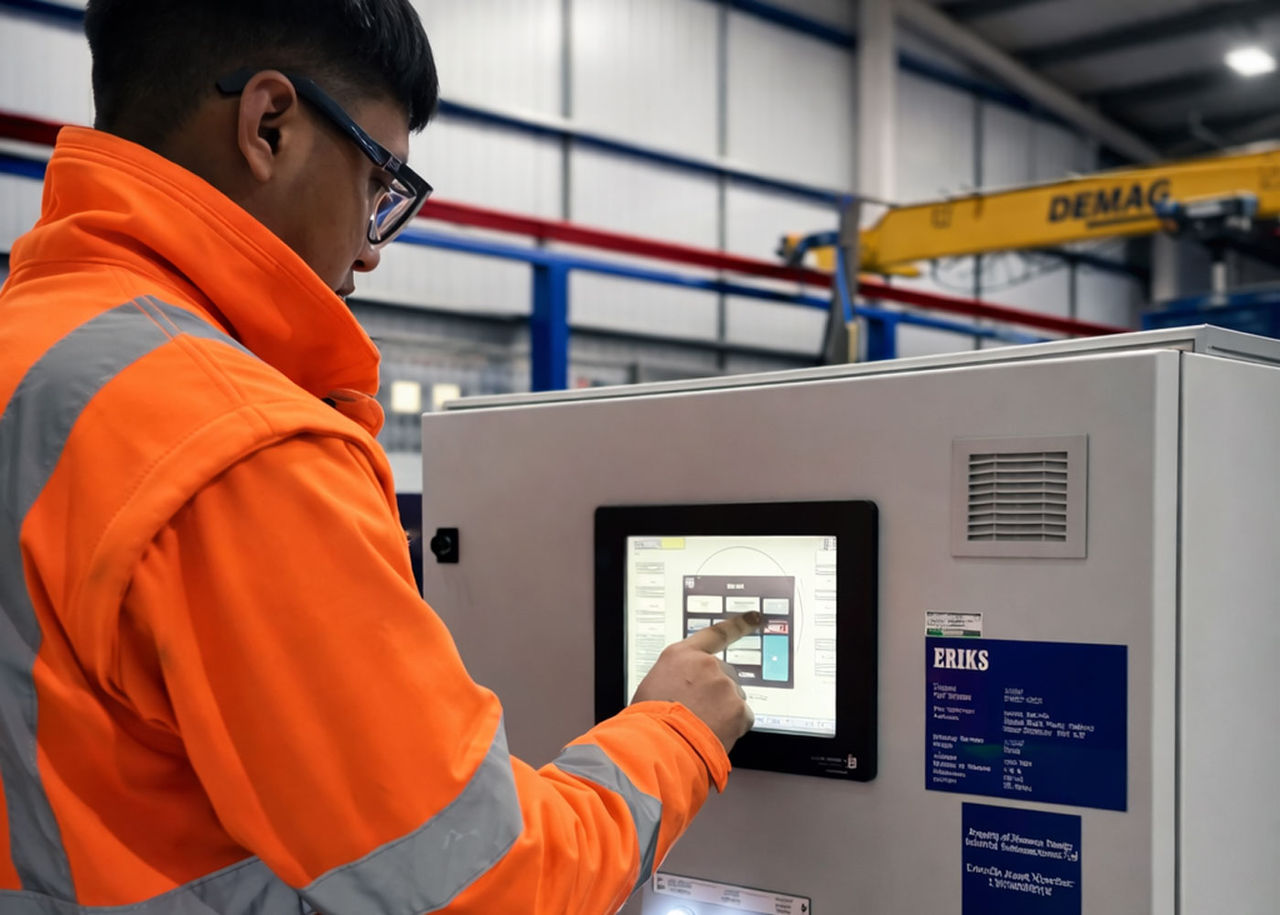
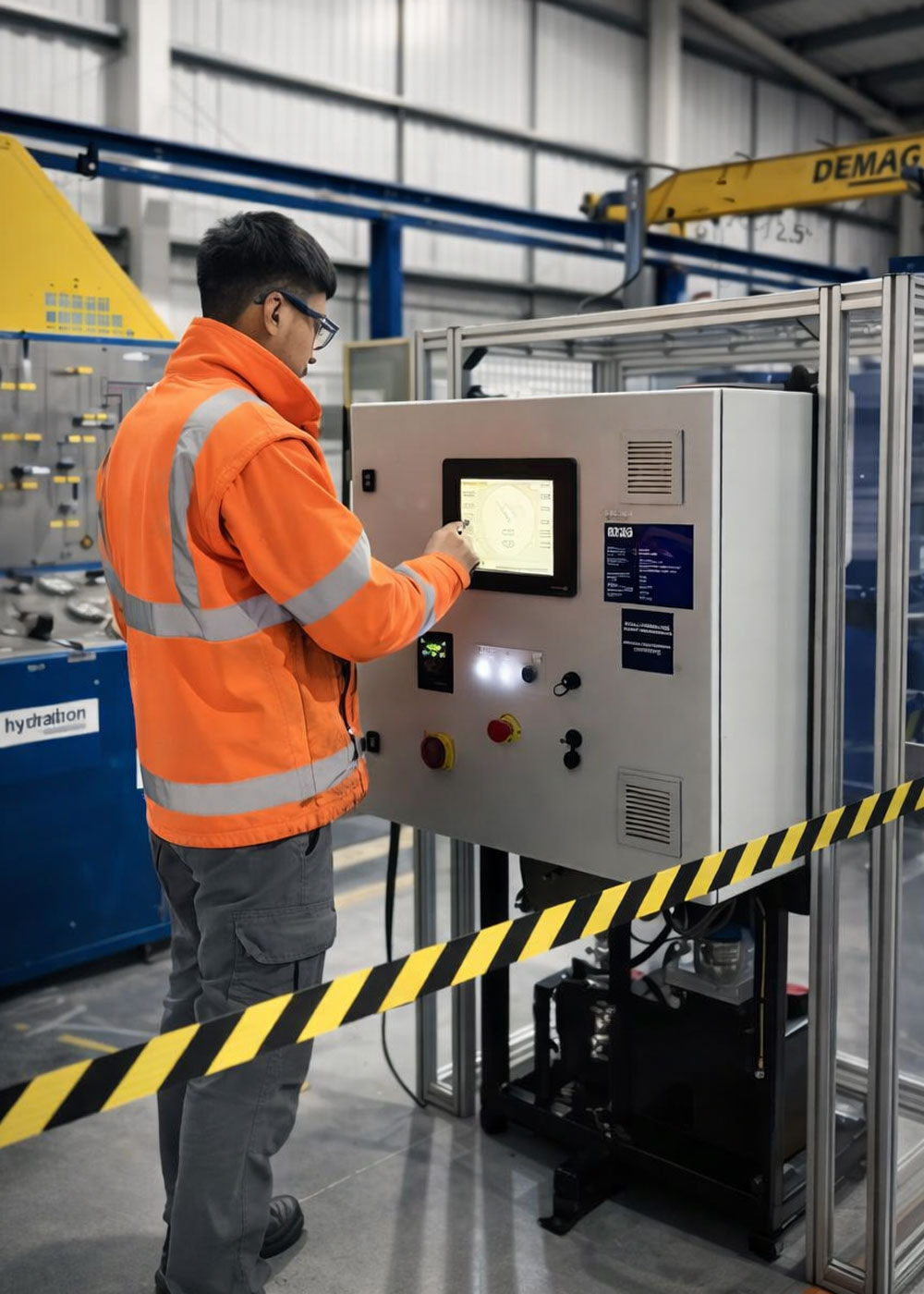
ERIKS engineers, working in close collaboration with hydraulic specialists, designed and built a test rig capable of accurately reproducing the extreme conditions found inside a turbine.
The rig was engineered to validate every aspect of valve performance, from the speed and timing of opening and closing, to fail-safe functionality during simulated power loss, and the ability to release pressure and maintain leak-tightness under sustained load.
Although the internal operation of the rig required advanced engineering and custom software, it was intentionally designed to be intuitive for trained users. Creating a system that delivered high accuracy without unnecessary complexity was a key part of ensuring long-term reliability and repeatable results.
Development was an iterative process. Early tests revealed that original valve specifications and real-world characteristics were not perfectly aligned, prompting the team to source reference valves and capture fresh data. Even defining the precise point at which a valve should be considered “open” required careful analysis, as the valve’s soft, exponential opening pattern created ambiguity. The team adapted the software and measurement parameters to ensure that the test process reflected this real behaviour accurately.
A Collaborative Approach That Continues to Grow
The completed test rig is now permanently located at the Leicester facility, where ERIKS specialists carry out the full refurbishment cycle. Each valve is first assessed, then completely stripped down so every component can be inspected. Seals are replaced where appropriate, and any parts showing significant wear are renewed. Once rebuilt, the valve is returned to the test rig for verification under conditions that accurately replicate operational demands.
The strength of this system and the expertise behind it soon encouraged the operator to extend the scope of work. Additional documentation, quality requirements and expanded refurbishment responsibilities were added once the reliability of the rig had been demonstrated.
Hub for High-Integrity Valve Work
The Flow Control Technology Centre in Leicester has steadily grown into a national hub for advanced valve refurbishment and testing. Alongside this project, the team supports highly specialised applications across defence, transport, and industrial sectors, including rigorous testing programmes for electric motors used throughout London’s transport network.
The turbine valve project, which initially began as a technical challenge centred around obsolescence, has opened the door to a long-term partnership focused on keeping critical energy assets operating safely and efficiently.
Several valves are already progressing through the refurbishment and test cycle, with more scheduled as part of an ongoing programme.
Securing the Future of Legacy Assets
As energy systems age, operators increasingly face the task of maintaining safety and performance without access to original components. This bespoke test rig demonstrates how tailored engineering solutions can extend the life of vital assets while avoiding costly system-wide recertification.
By combining reverse engineering, precision testing, and a deep understanding of valve behaviour, the Leicester team has created a dependable and repeatable process that ensures every refurbished valve returns to service with proven performance.
For industries under pressure to balance safety, reliability, and obsolescence, it shows how innovative engineering can deliver assurance where off-the-shelf solutions no longer exist.
For more information on Flow Control solutions and to get in touch with one of our experts, please contact your local ERIKS Service Centre, who will be happy to discuss your options.
#ERIKS #Valves #ValveCentre #Reliability
Author

Share the article
Author: Victor Harris
Victor is the Business Unit Manager of ERIKS Electronics.